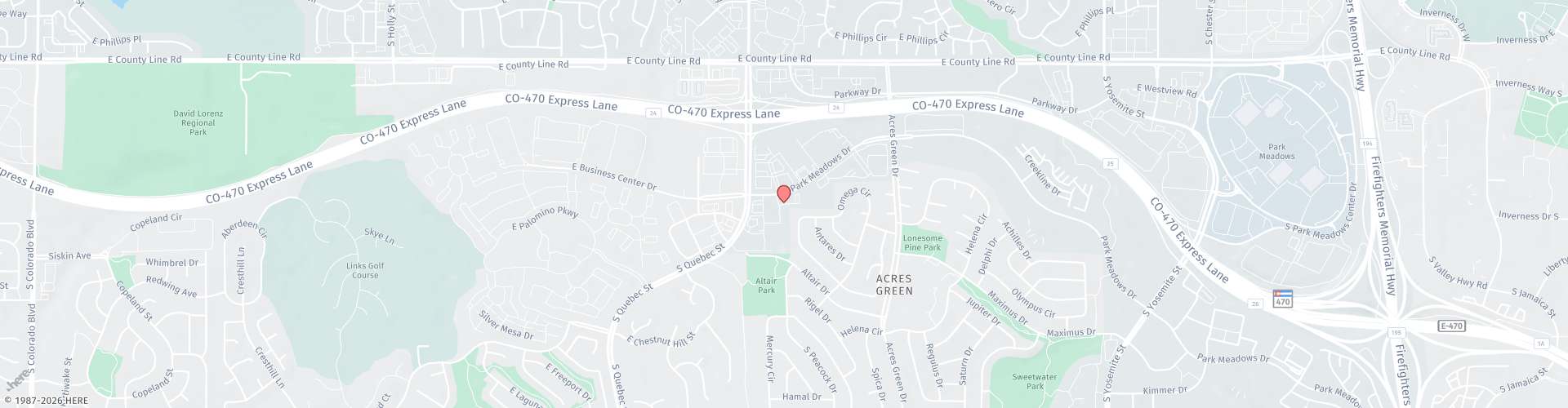
If you are planning a lumpectomy, you may wonder whether removing the tumor will leave an indentation or change your breast's shape. Oncoplastic surgery brings breast reshaping into the cancer treatment plan before the operation. Christopher G. Williams, MD is a board-certified plastic and reconstructive surgeon with additional training in microsurgical breast reconstruction. At Park Meadows Cosmetic Surgery in Lone Tree, Colorado, we discuss these techniques as part of our breast reconstruction services.
How Does Oncoplastic Surgery Work With a Lumpectomy?
The breast cancer surgeon removes the tumor along with a small amount of surrounding tissue. Our surgeons can reshape nearby tissue to help fill the area left behind. Some patients need only local rearrangement, while others benefit from techniques used in a breast lift or breast reduction.
Removing the cancer comes first. After surgery, a pathologist checks the edges of the removed tissue, called margins, for cancer cells. If cells are found at an edge, further surgery may be recommended even after reshaping.

Who May Benefit From Oncoplastic Reconstruction?
This approach may help when lumpectomy is likely to leave a noticeable hollow or alter breast size or nipple position. The tumor's location, the amount of tissue being removed, your breast size, and the cancer treatment plan guide the decision.
Oncoplastic surgery differs from rebuilding a breast after mastectomy with an implant or your own tissue. Our team can discuss the options suitable for the operation being recommended.
Will I Need Surgery on the Other Breast?
Not necessarily. Some patients choose a lift or reduction on the unaffected breast for better balance. Others wait until the treated side has healed or decide against additional surgery.
We aim to improve shape and symmetry, although breasts may still look different after healing or radiation. Our breast asymmetry correction information explains why each side may require a different approach.
What Is Recovery Like?
Swelling, bruising, soreness, and scars are expected. A lift or reduction may involve longer incisions and more activity restrictions than a lumpectomy alone. Wound-healing problems, changes in nipple sensation, infection, and asymmetry are possible.
Radiation is often recommended after lumpectomy. Your oncology team decides when it should begin, taking healing and any additional treatment into account. Our breast reconstruction recovery guide offers general information; your surgical instructions will reflect your procedure.
Why Choose Park Meadows Cosmetic Surgery for Oncoplastic Breast Reconstruction in Lone Tree?
Planning breast reshaping alongside cancer surgery requires close coordination between surgeons. Dr. Jeremy Williams completed seven years of plastic, reconstructive, and aesthetic surgery training at Johns Hopkins, including dedicated research. Dr. Christopher Williams trained there for eight years and later pursued specialized microsurgical breast reconstruction training. We work with your breast cancer surgeon so the reshaping plan fits the treatment being recommended.
Frequently Asked Questions
No. Breast reshaping does not replace radiation or other treatments recommended by your oncology team.
A positive margin means cancer cells were found at the edge of the removed tissue. More tissue may need to be removed, or mastectomy may be recommended.
No. Local tissue rearrangement may be enough. A lift or reduction is considered when more reshaping is needed.
Sometimes. Prior radiation, scars, healing, and the amount of remaining tissue affect the choices.
Your cancer care team will recommend follow-up imaging of the remaining breast tissue and explain when examinations should occur.
They may be if a lift or reduction is performed. We discuss incision placement during surgical planning.
Discuss Oncoplastic Surgery Before Your Lumpectomy
Talking about breast shape before cancer surgery leaves time for coordinated planning. Schedule a consultation with Park Meadows Cosmetic Surgery in Lone Tree, Colorado, or call 303-706-1100 to ask whether oncoplastic reconstruction fits your treatment plan.