
What Does Over-the-Muscle Placement Mean?
With over-the-muscle, or subglandular, placement, the implant sits behind the breast tissue but in front of the chest muscle. Because the pectoral muscle is not lifted to create the pocket, patients may experience less muscle-related discomfort during the first part of recovery.
The amount of natural breast tissue matters. If there is less tissue over the implant, its edges or rippling may be easier to see. For patients whose anatomy gives the implant enough coverage, however, an over-the-muscle position may be appropriate.
How Is Under-the-Muscle Placement Different?
Submuscular placement puts the implant beneath the pectoral muscle. Most of our patients receive this position unless their anatomy supports another approach. Park Meadows notes that placing an implant behind the muscle may be associated with a lower risk of capsular contracture and less interference with mammogram visualization.
The tradeoff is that muscle soreness can be more noticeable early in recovery. Your natural breast tissue, chest dimensions, implant size, and the look you want all help our surgeons decide if the added muscle coverage makes sense.
Why Dual-Plane Placement May Be Recommended
Implant position is not always strictly above or below the muscle. During dual-plane breast augmentation, the upper portion of the implant sits beneath the muscle while the lower portion is covered by breast tissue. Our surgeons may use this technique for certain patients with mild drooping that does not require a full breast lift.
Coverage can be refined in other ways, too. Hybrid breast augmentation combines an implant with fat transfer, which may soften visible edges or rippling in patients with thin tissue. Breast revision can also correct position-related problems for someone who already has implants.
Which Implant Position Fits Your Anatomy?
There is no single position that is best for every patient. The recommendation comes from the amount of breast tissue you have, your chest measurements, skin quality, implant choice, and the result you want.
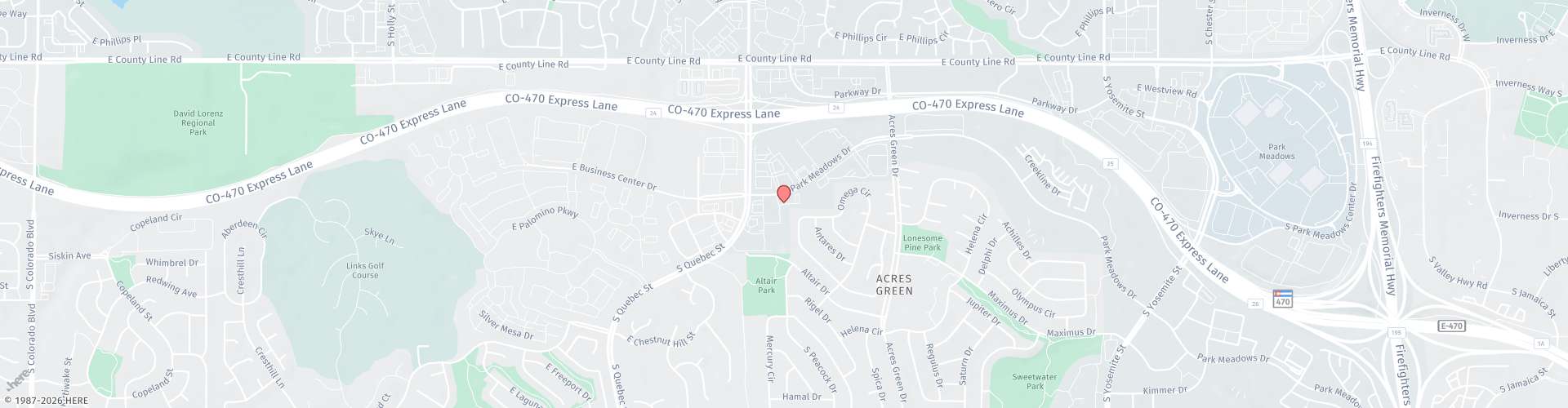
If you are comparing implant positions before surgery, schedule a consultation with Park Meadows Cosmetic Surgery in Lone Tree, CO, or call 303-706-1100. We can examine your anatomy and explain why one approach may be a better match for your breast augmentation plan.